
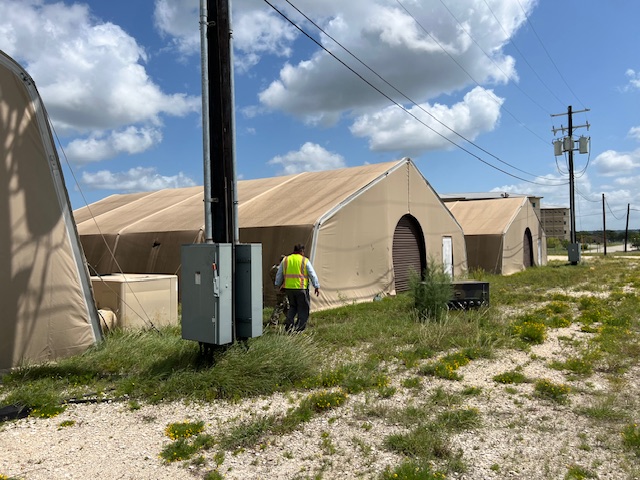
A clamshell building is a major investment.
Whether it is being used as an aircraft hangar, military support facility, industrial workspace, maintenance building, or equipment shelter, most owners expect it to perform reliably for years.
But one of the most common mistakes facility owners make is assuming:
“If nothing looks wrong, everything must be fine.”
The reality is that many clamshell building issues develop gradually.
Small concerns—fabric wear, hardware movement, structural stress, tension changes, or environmental damage—often go unnoticed until they become expensive repairs.
That is exactly why routine clamshell building inspections matter.
A professional inspection helps identify issues early, reduce long-term repair costs, and protect the useful life of the structure.
At Oilcanners Construction Consulting, inspections are not just surface-level walkthroughs. With more than 30 years of hands-on experience working with clear-span, tension fabric structures in aviation, military, industrial, and specialized environments, inspections are designed to identify what others may miss. The goal is simple: help owners understand the condition of their structure and avoid costly surprises later.
In this guide, we will explain what a clamshell building inspection typically involves, why inspections matter, common warning signs, and when owners should schedule an evaluation.
Why Clamshell Building Inspections Matter
Like any facility, clamshell buildings experience wear over time.
Exposure to:
- Wind
- Rain
- UV exposure
- Heavy use
- Temperature changes
- Salt air
- Operational stress
can gradually affect structural performance.
The challenge is that many problems are not immediately obvious.
Minor issues often become major repairs only after enough time has passed.
A professional clamshell building inspection helps owners:
- Identify wear early
- Reduce long-term repair costs
- Protect structural integrity
- Extend facility lifespan
- Improve operational reliability
- Avoid unexpected downtime
- Plan for replacement needs
In many cases, inspections save money simply by identifying problems before they grow.
What Does a Clamshell Building Inspection Include?
Every structure is different, but a professional inspection generally focuses on the overall condition and long-term performance of the facility.
The goal is not simply to point out obvious issues—it is to identify developing concerns before they create larger problems.
Fabric Membrane Condition
The tension fabric membrane is one of the most important components of the building.
Over time, environmental exposure naturally creates wear.
During an inspection, experienced evaluators often look for:
- Fabric wear
- Small tears
- Loose sections
- Sagging
- UV-related deterioration
- Water pooling concerns
- Areas under unusual stress
What appears minor today may eventually become a much larger repair issue if ignored.
That is why early identification matters.
Structural Hardware and Fasteners
Clamshell buildings rely on properly functioning structural hardware.
Inspections may include evaluation of:
- Bolts
- Fasteners
- Connection points
- Structural joints
- Attachment systems
Loose, worn, or missing components may place unnecessary stress on other areas of the structure.
Over time, seemingly small hardware issues can contribute to larger maintenance concerns.
Structural Alignment
Proper alignment plays a major role in the performance of a clamshell structure.
Inspections often evaluate:
- Structural consistency
- Uneven sections
- Stress points
- Signs of movement
- Frame performance
Misalignment may sometimes indicate shifting, wear, or other underlying concerns that deserve attention.
Not every issue means major repairs are necessary—but early evaluation often helps avoid more expensive problems later.
Fabric Tension Performance
Tension fabric structures are engineered to operate within specific tolerances.
Changes in fabric tension may affect:
- Weather resistance
- Structural performance
- Water drainage
- Wind handling
- Membrane lifespan
Fabric tension issues are one of the more commonly overlooked concerns in aging structures.
Without experience, these problems are often difficult to identify early.
Oilcanners Construction Consulting has experience working across multiple clamshell systems and manufacturers, helping ensure inspections evaluate both immediate concerns and long-term structural performance.
Corrosion and Environmental Exposure
Environmental conditions can gradually impact building performance.
This is especially important for facilities located in:
- Coastal areas
- Aviation environments
- Military installations
- High humidity climates
- Industrial facilities
Inspections may help identify:
- Corrosion
- Environmental wear
- Surface deterioration
- Moisture-related concerns
These issues often develop gradually and are easiest to address early.
Signs You May Need a Clamshell Building Inspection
Many owners wait until something obvious goes wrong before scheduling an inspection.
In reality, there are several situations where a professional evaluation may be worth considering.
Aging Structures
As facilities get older, routine inspections become increasingly valuable.
Even buildings that appear to be functioning normally may benefit from periodic evaluation.
After Major Storms or Severe Weather
Heavy weather can create damage that is not always immediately visible.
Post-storm inspections may help identify:
- Structural stress
- Membrane damage
- Hardware concerns
- Alignment issues
Catching problems early may prevent larger repairs later.
Visible Wear or Damage
If you notice:
- Fabric sagging
- Tears
- Water pooling
- Structural movement
- Loose components
- Unusual wear patterns
it may be time for an inspection.
Before Relocation or Refurbishment
Clamshell buildings are often relocated or refurbished.
An inspection before relocation helps determine:
- Structural condition
- Repair needs
- Missing components
- Refurbishment opportunities
Oilcanners has extensive experience supporting inspections before refurbishment, relocation, and reconstruction projects involving aviation, military, and industrial structures.
Why Preventative Inspections Save Money
One of the biggest misconceptions is that inspections create unnecessary costs.
In reality, inspections often help owners avoid larger expenses.
Small concerns are usually easier and less expensive to address than major repairs.
Preventative inspections may help reduce:
Emergency Repairs
Unexpected failures are often more expensive and disruptive.
Operational Downtime
Repairs during active operations can create unnecessary interruptions.
Major Structural Problems
Minor wear left unchecked may eventually affect larger structural systems.
Premature Replacement Costs
Routine maintenance and inspections often help extend the life of an existing structure.
The goal is simple:
Catch problems while they are still manageable.
Why Experience Matters During Clamshell Building Inspections
Not every contractor understands tension fabric structures.
A clamshell building inspection requires more than simply walking around and checking for visible damage.
Experienced inspections involve understanding:
- Fabric systems
- Structural stress points
- Manufacturer specifications
- Long-term wear patterns
- Maintenance planning
- Repair feasibility
Oilcanners Construction Consulting has experience working with multiple clamshell systems and manufacturers, including CB-designed systems and tension fabric structures such as Bigtop, Shasta, and Celina.
The company also provides detailed follow-up reporting, repair recommendations, maintenance planning, refurbishment support, and replacement part evaluations to help owners make informed decisions.
What Happens After an Inspection?
A professional inspection should provide clarity.
Depending on the condition of the structure, recommendations may include:
- Routine maintenance
- Minor repairs
- Replacement components
- Fabric work
- Refurbishment opportunities
- Long-term maintenance planning
Not every inspection results in major repairs.
Sometimes the best outcome is simply peace of mind and a better understanding of the facility’s condition.
Frequently Asked Questions About Clamshell Building Inspections
How often should a clamshell building be inspected?
Frequency depends on usage, age, environment, and operational demands. Many facilities benefit from regularly scheduled inspections.
What does a clamshell building inspection include?
Inspections may evaluate fabric condition, structural hardware, alignment, membrane tension, corrosion, and overall facility performance.
Should a building be inspected after a storm?
In many cases, yes. Severe weather may create damage that is not immediately visible.
Can inspections help avoid costly repairs?
Often, yes. Identifying small problems early is usually more affordable than major repairs later.
Do older clamshell buildings need more inspections?
Generally, aging structures benefit from more routine evaluations to help monitor wear and maintenance needs.
Need a Professional Clamshell Building Inspection?
If you are unsure about the condition of your clamshell building—or simply want peace of mind before small issues become expensive repairs—experience matters.
Oilcanners Construction Consulting brings more than 30 years of hands-on experience working with clamshell buildings and tension fabric structures across military, aviation, and industrial environments. From inspections and maintenance planning to repairs, refurbishment, and relocation support, the focus remains the same: helping ensure every structure performs as designed.
Contact Oilcanners Construction Consulting today to schedule an inspection or request a quote.
